Cards & Components
Building faces, housing costs, countryside pieces and ten goods.
Boards
Your city grid holds building tiles. The countryside holds cities, Inns and producers. Use the Setup layouts and the ten-phase reference.
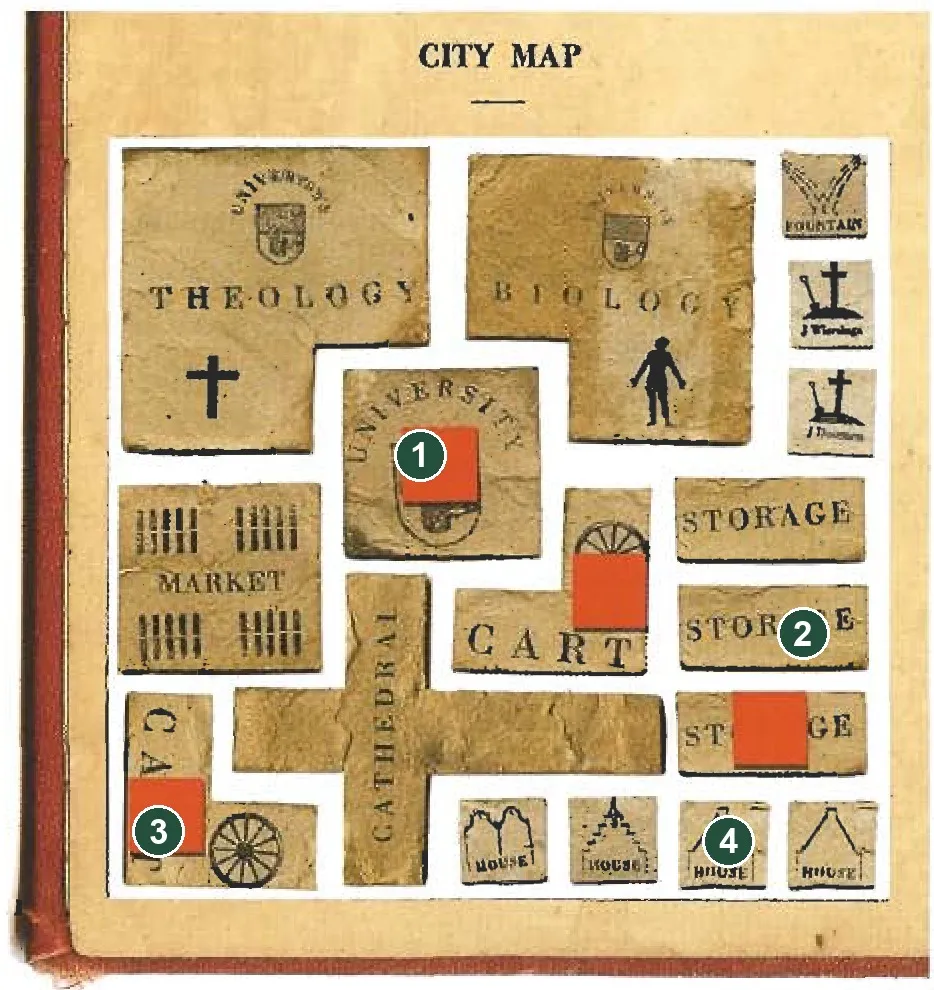
- University and Faculties · 2. Store · 3. Cart Shops · 4. Houses.
City grids
| City map | Use |
|---|---|
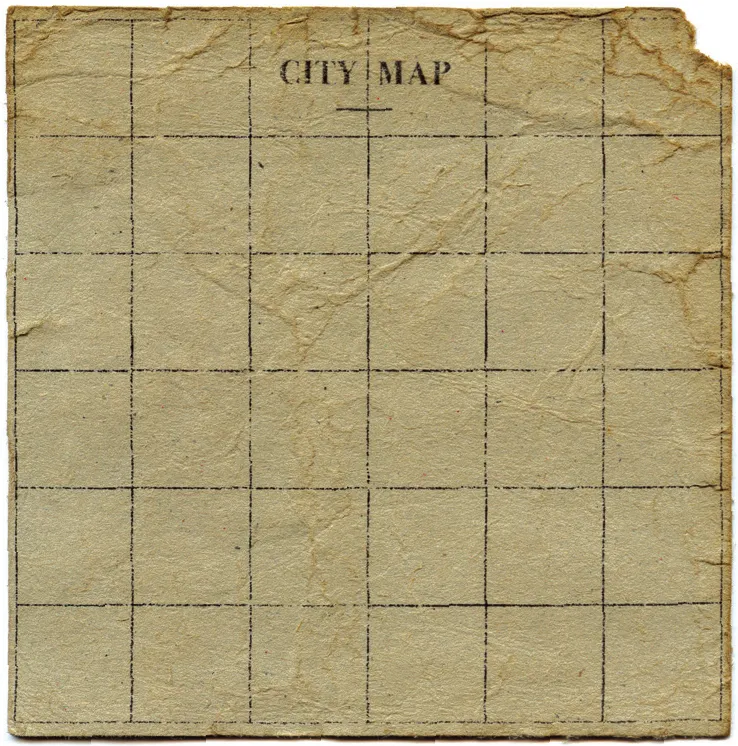 | Later cities each add a 6×6 grid. Your starting city uses the larger 7×7 grid on the player aid. Building placement. |
Landscape faces
| Landscape face | Use |
|---|---|
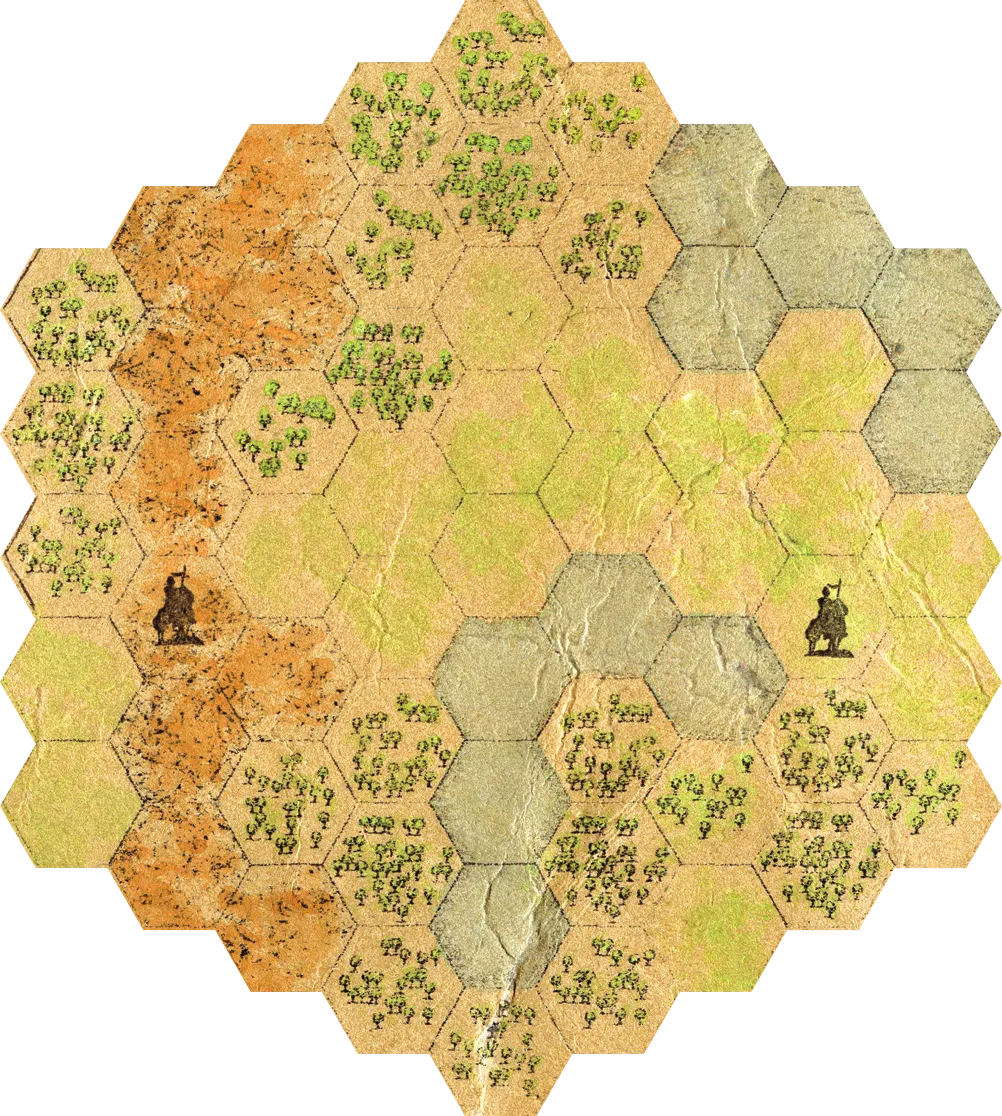 | Landscape 1A: forest, grass, mountain and water determine production and reach. Use two large tiles per player. |
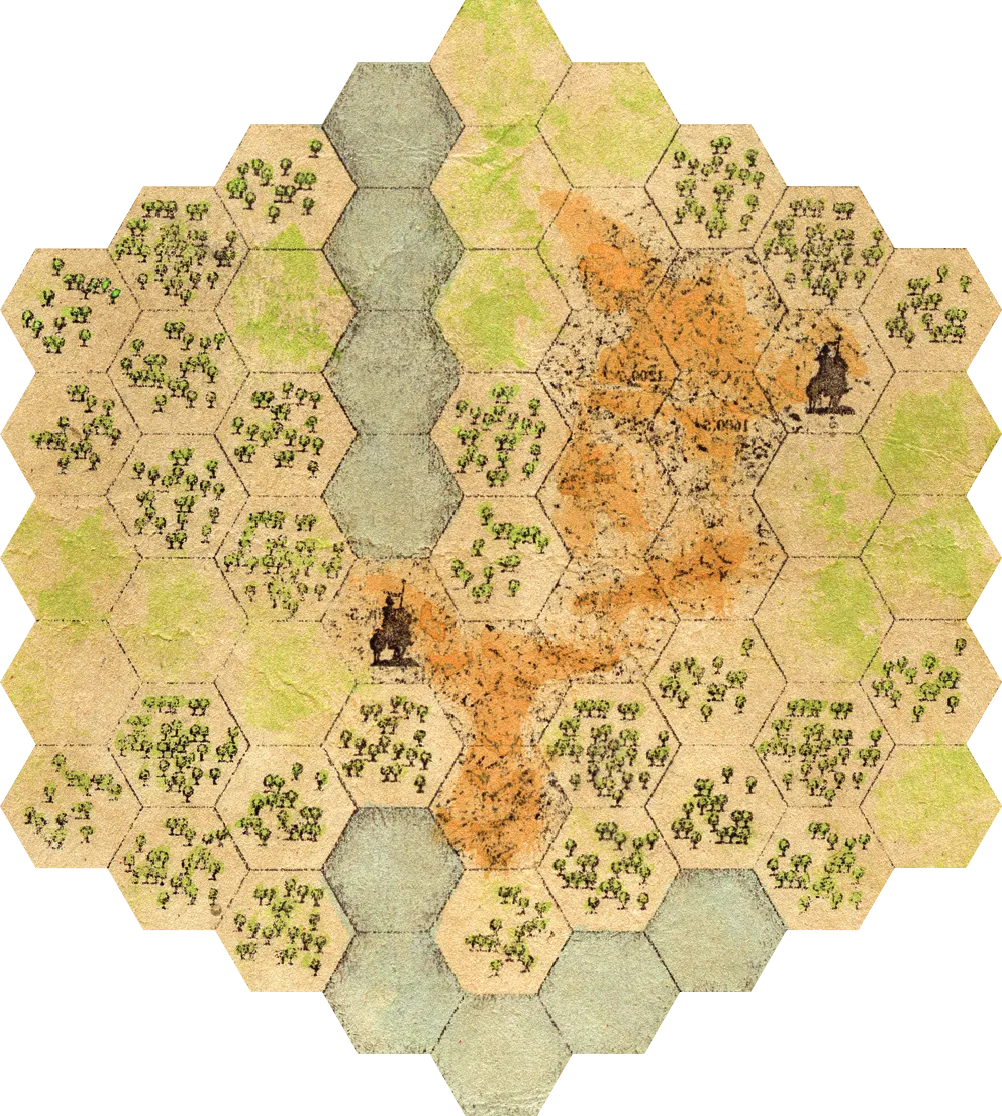 | Landscape 1B: forest, grass, mountain and water determine production and reach. Use two large tiles per player. |
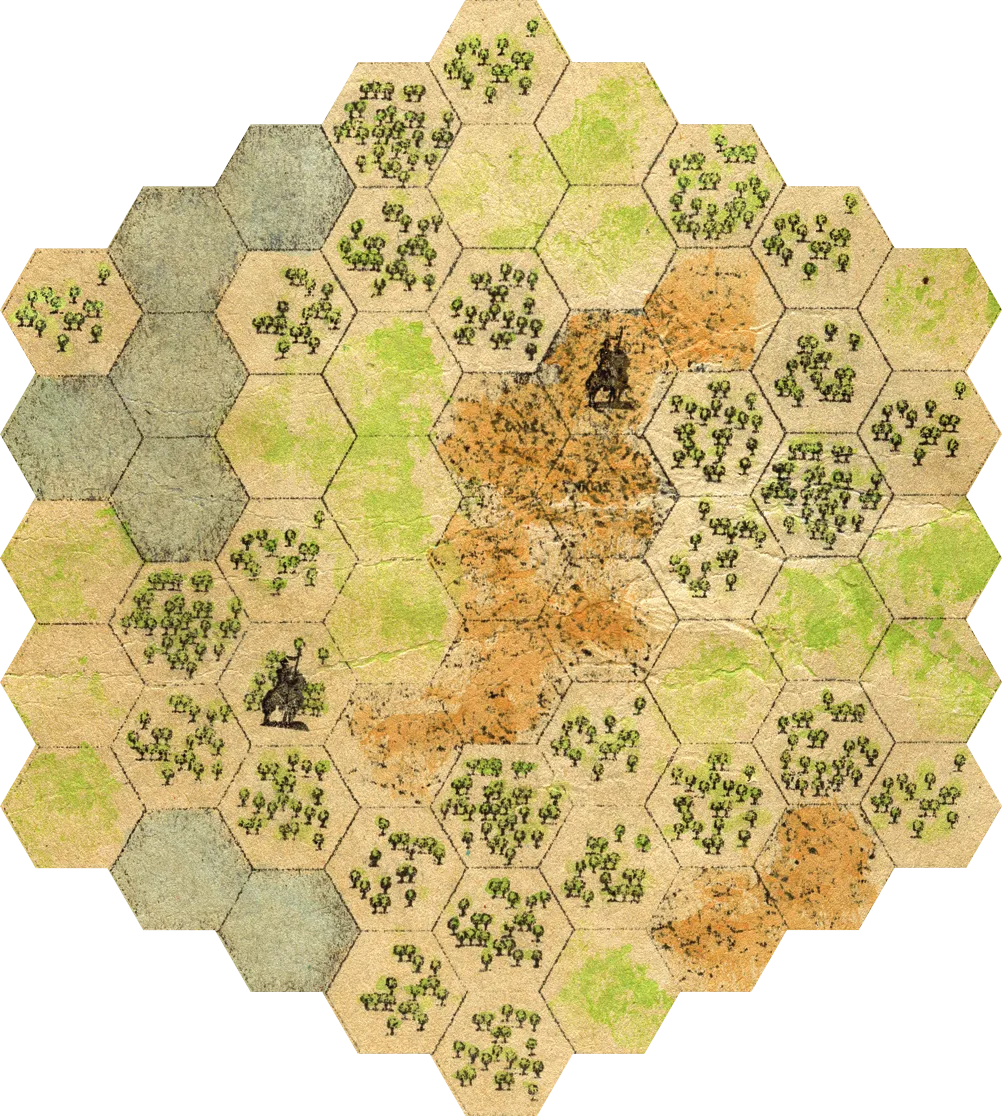 | Landscape 2A: forest, grass, mountain and water determine production and reach. Use two large tiles per player. |
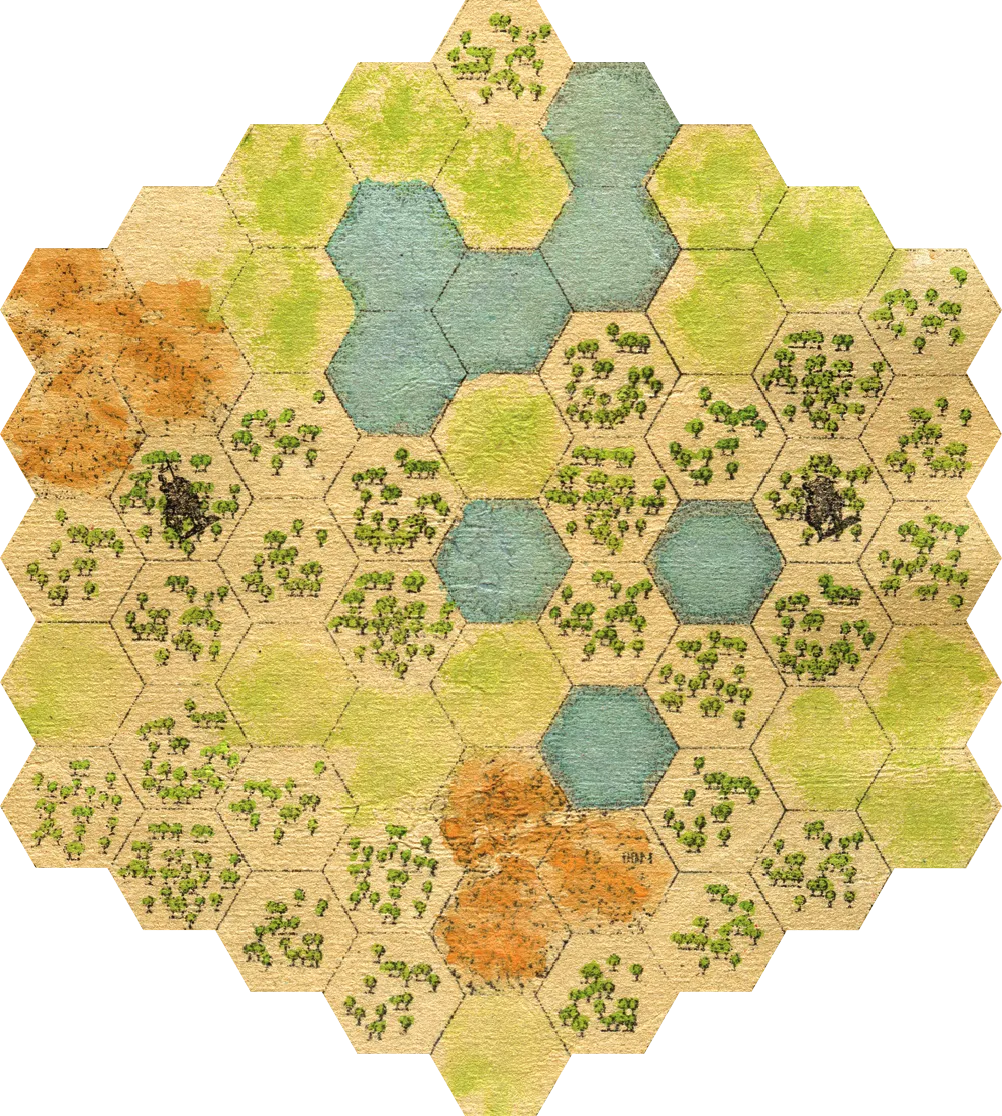 | Landscape 2B: forest, grass, mountain and water determine production and reach. Use two large tiles per player. |
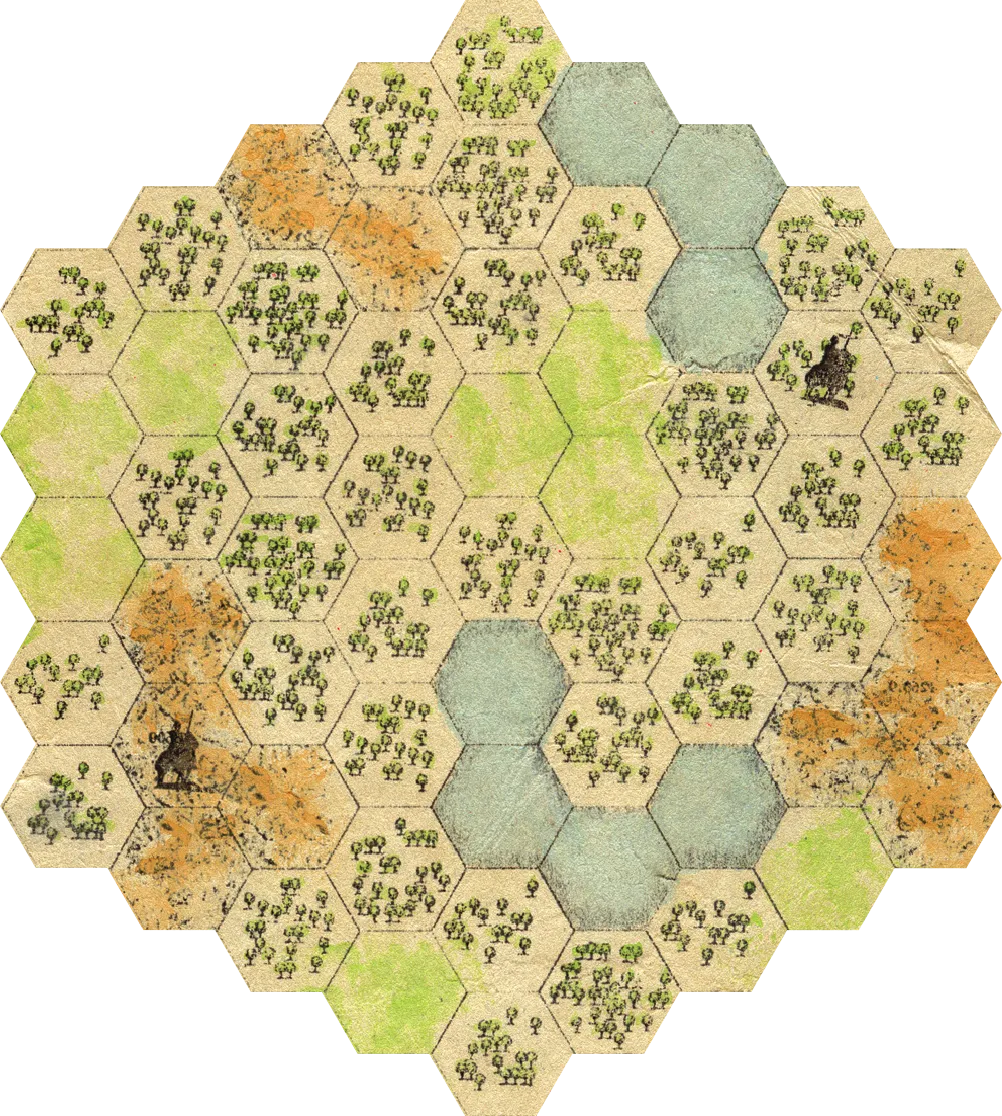 | Landscape 3A: forest, grass, mountain and water determine production and reach. Use two large tiles per player. |
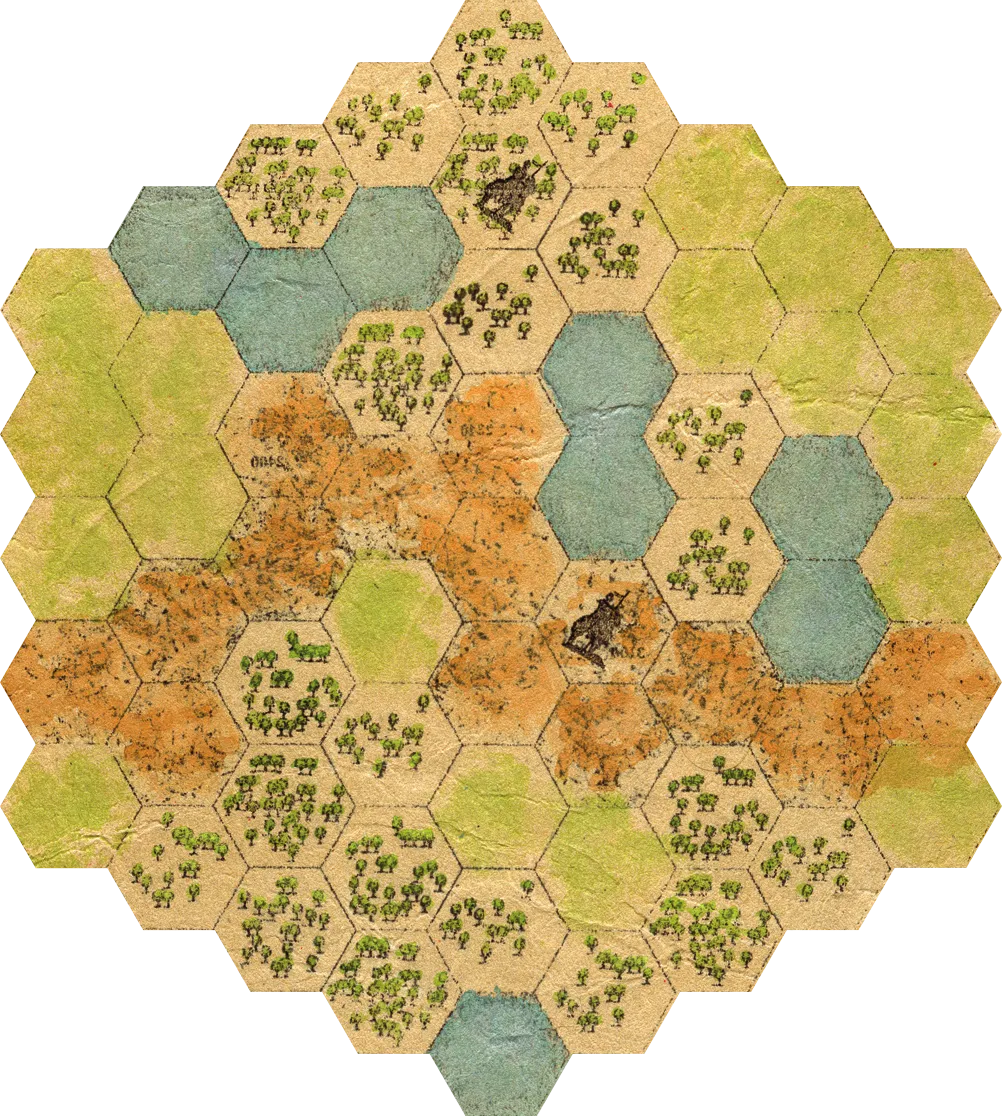 | Landscape 3B: forest, grass, mountain and water determine production and reach. Use two large tiles per player. |
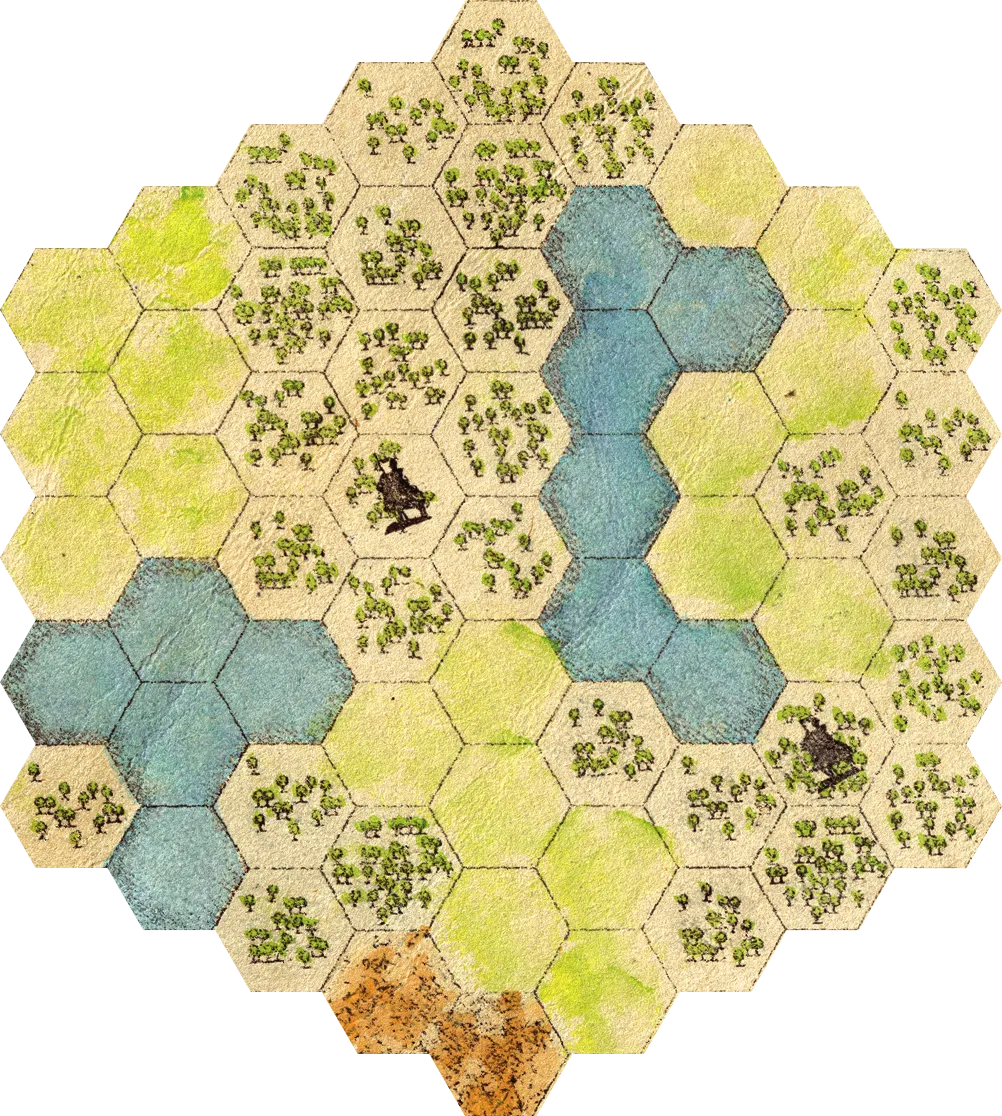 | Landscape 4A: forest, grass, mountain and water determine production and reach. Use two large tiles per player. |
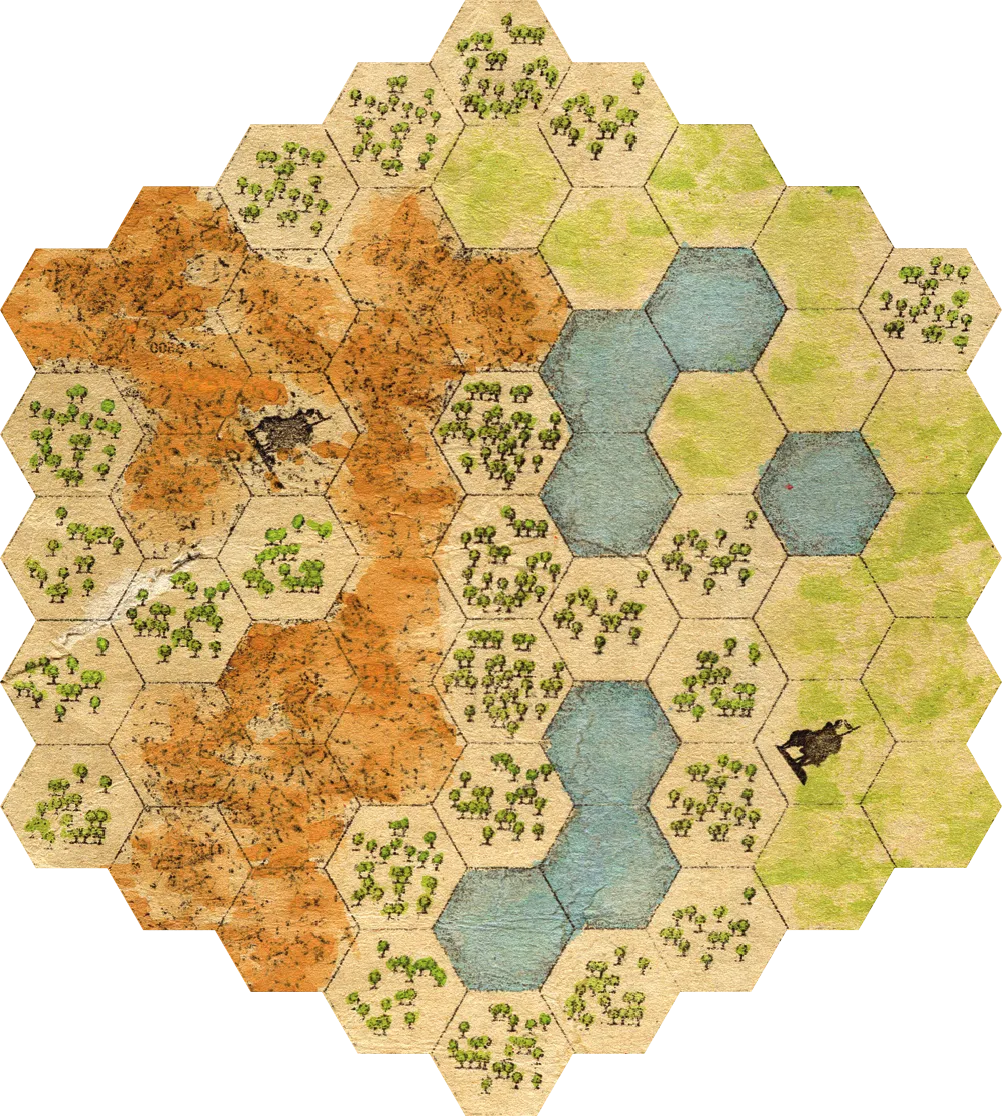 | Landscape 4B: forest, grass, mountain and water determine production and reach. Use two large tiles per player. |
Cards
Antiquity has no gameplay cards in this base game. Patron saints are choices on the player aid, not a deck to draw from. Their abilities and victory conditions are listed together.
Tiles
City building faces
Costs below follow the printed player aid; each effect requires staffing unless stated otherwise. Most types are unique per player. Shared supplies serve repeated Cart Shops, Fountains and Stores. Component artwork.
| Building face | Cost and use |
|---|---|
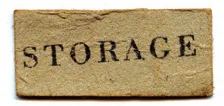 | Storage. 1 wood. Staff one worker per complete rectangle; one good per square at the Store Goods check. Rules. |
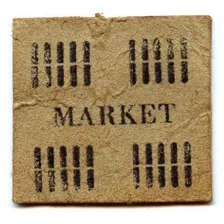 | Market. 1 wood. Staff one worker to trade during City Building. Rules. |
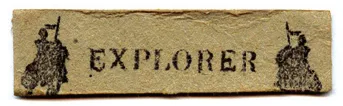 | Explorer. 1 wood. Staff one worker to reveal one exploration marker per turn. Rules. |
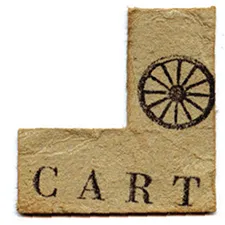 | Cart Shop. 1 wood. One staffed shop builds one countryside building or city; its worker becomes that site’s worker where needed. Rules. |
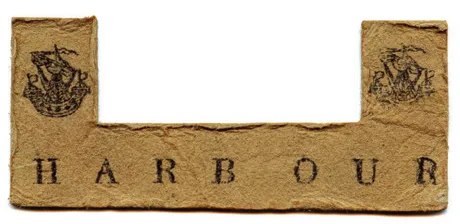 | Harbour. 1 wood. Staff one worker to add connected water and its immediate coastline to your reach. Rules. |
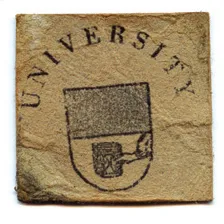 | University. 1 wood. One worker operates this building and all directly adjacent Faculties together. Rules. |
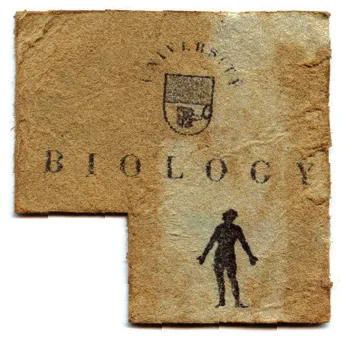 | Faculty of Biology. 2 stone. When staffed, one Farm per turn needs no seed. Still use a Cart Shop. Rules. |
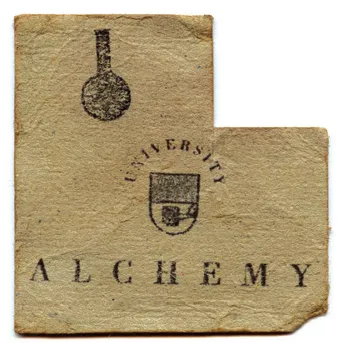 | Faculty of Alchemy. 2 stone. When staffed, clean one polluted centre in reach and its polluted neighbours once per turn. Rules. |
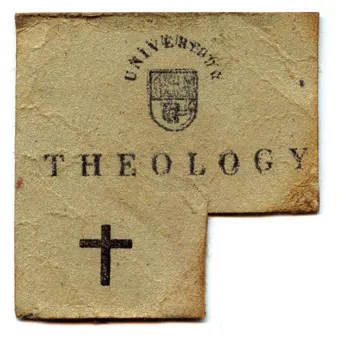 | Faculty of Theology. 1 stone. When staffed, raze your Cathedral once per turn, except Santa Maria or a Cathedral with graves. Rules. |
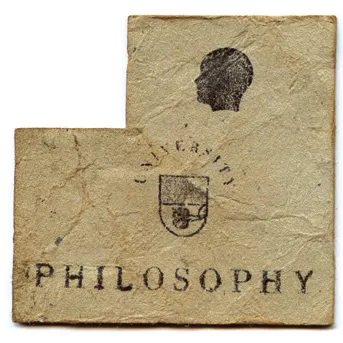 | Faculty of Philosophy. 1 stone. When staffed, ignore different-type requirements printed as D. Rules. |
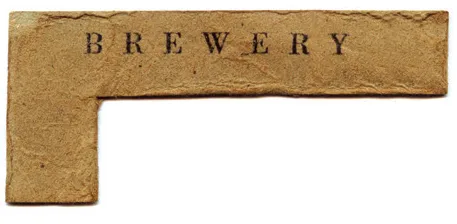 | Brewery. 1 wood. Allows Inn construction. No worker required. Rules. |
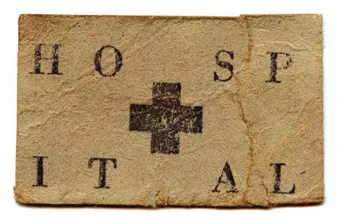 | Hospital. 1 luxury. When staffed, remove up to five existing graves in City Building. Rules. |
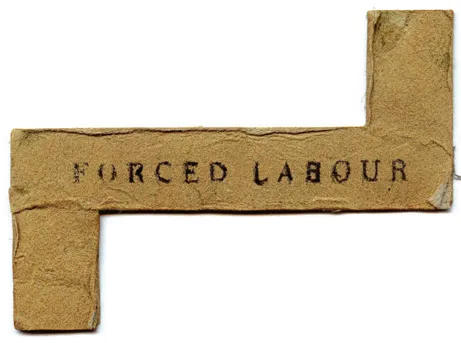 | Forced Labour. 1 stone. When staffed, all producers take up to three goods; discard the first and harvest the rest. Rules. |
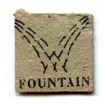 | Fountain. 1 luxury. No worker. Building it reduces global famine by one; owning it reduces your pollution by one each round. Rules. |
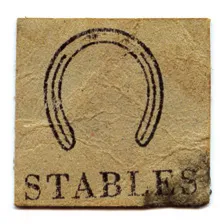 | Stables. 2 different luxuries. When staffed, ordinary land reach increases from two to three; water reach is unchanged. Rules. |
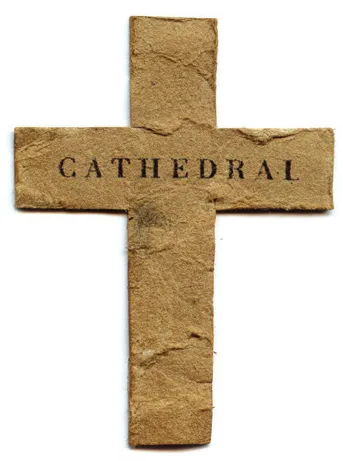 | Cathedral. 1 stone. Choose a patron saint; no worker required. Rules. |
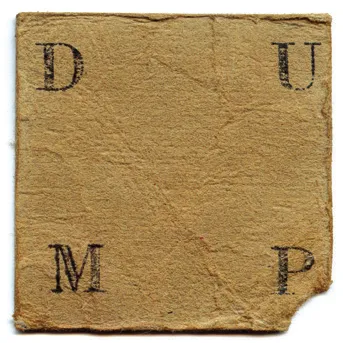 | Dump. 1 stone. When staffed, prevents four of your pollution and excludes opponents’ phase-9 pollution from your reach. Rules. |
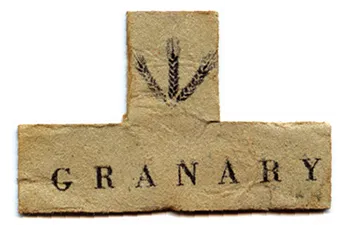 | Granary. 1 wood. No worker. Prevents three famine graves each round. Rules. |
House fronts and costs
Every House occupies one city square and releases one worker. The illustrated fronts have the same House function; use the numbered Housing chart for its cost.
| House face | Use |
|---|---|
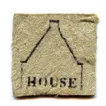 | House artwork 1. Choose a numbered House and pay its specific cost. |
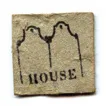 | House artwork 2. Choose a numbered House and pay its specific cost. |
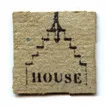 | House artwork 3. Choose a numbered House and pay its specific cost. |
Cities, Inns and production markers
| Piece | Use |
|---|---|
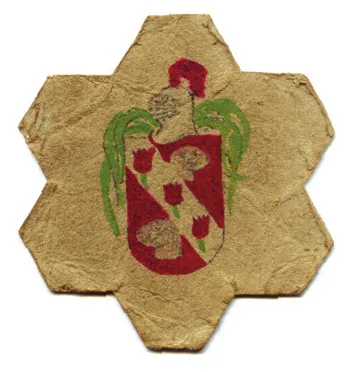 | Red city: occupies seven countryside hexes and adds a city grid. New cities. |
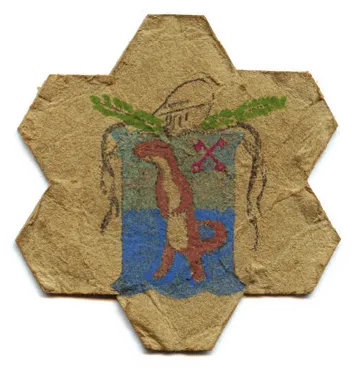 | Blue city: occupies seven countryside hexes and adds a city grid. New cities. |
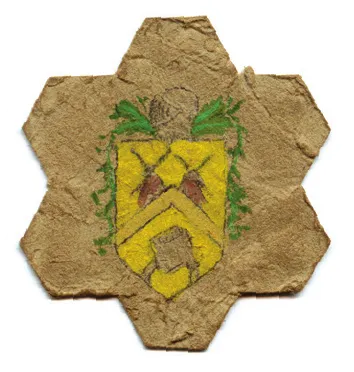 | Yellow city: occupies seven countryside hexes and adds a city grid. New cities. |
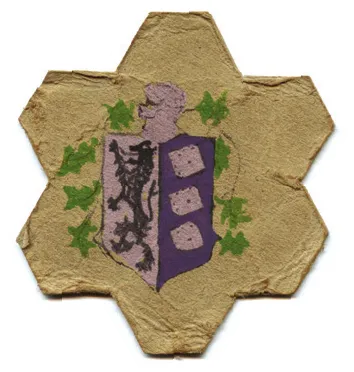 | Black city: occupies seven countryside hexes and adds a city grid. New cities. |
 | Red Inn: extends that player’s reach without adding city pollution. Inns. |
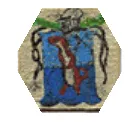 | Blue Inn: extends that player’s reach without adding city pollution. Inns. |
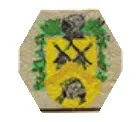 | Yellow Inn: extends that player’s reach without adding city pollution. Inns. |
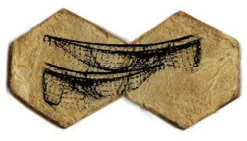 | Fishery: two coastal land hexes; one output type across its adjacent unpolluted water. Return the tile when exhausted. Fisheries. |
 | Grass replaces harvested forest and can later support a Farm. Alchemy does not turn it back to forest. |
Tokens & pieces
| Piece | Function |
|---|---|
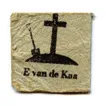 | Grave: blocks one city square. A building stops working if any grave covers it. Houses cannot receive graves. Graves. |
 | Pollution: depletes a countryside hex. Unplaceable phase-9 pollution becomes a grave. Pollution. |
 | Exploration marker: the hidden front supplies grain, olive, sheep or wine when explored. Explore. |
Workers staff city buildings or stay on countryside producers. Colour identifies ownership. One worker marks turn order and another records the patron saint. Individual exploration fronts, the remaining Inn colour and printing-specific pieces: To be added.
Icons
Goods
| Printed good | Role and source |
|---|---|
 Grain | Food; grain Farm or exploration. Production. |
 Olives | Food; olive Farm or exploration. Production. |
 Sheep | Food; sheep Farm or exploration. Production. |
 Fish | Food; Fishery or San Giorgio’s Cathedral bonus. Production. |
 Wine | Luxury; wine Farm or exploration. Production. |
 Pearls | Luxury; Fishery. Production. |
 Dye | Luxury; Fishery. Production. |
 Gold | Luxury; gold Mine. Production. |
 Wood | Building material; Woodcutter. Production. |
 Stone | Building material; stone Mine. Production. |
D on a cost means different types of the named category. A staffed Faculty of Philosophy removes that distinction without reducing the number of goods. Food means grain, olives, sheep or fish; luxury means wine, pearls, dye or gold.